
Build a Financial Future You Control
-not one banks control for you.
Reformed Finance teaches Christians how to control the banking function in their lives—building accessible capital, reducing dependence on outside lenders, and creating a financial system that can serve their family for generations.



THE PROBLEM
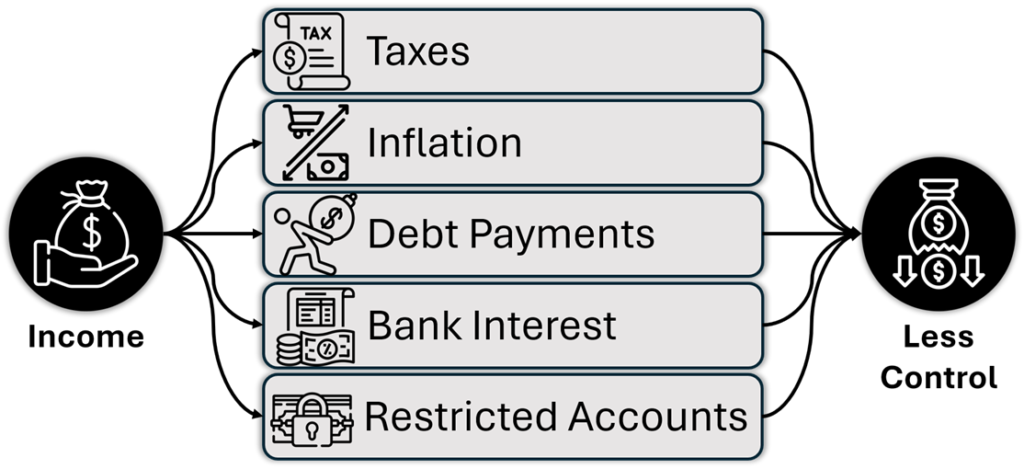
Too Much of What You Earn Passes Through Your Household
You can work hard, save consistently, and invest wisely and still be dependent on banks when a major expense or opportunity arises.
The Banking Function determines whether money merely passes through your financial life or helps build a durable source of capital for your family and future generations. Reclaiming more of that function allows your cash flow to begin strengthening a system you control.
Your capital should serve your responsibilities and calling.
THE BANKING FUNCTION
Banking is a function,
not merely an institution.
Every household, business, and church must store capital, deploy it, and replenish what was used. The question is whether those functions strengthen outside institutions or a financial system you control.

01.
Store Capital
Store wealth in a place that is safe, liquid, private and protected from inflation.

02.
Access without Liquidation
Use your wealth for needs and opportunities without selling or withdrawing.

03.
Replenish and Repeat
Repay what you use so it is ready for the next opportunity.

The Infinite Banking Concept® is the process of controlling the banking function in your life, keeping more of what you earn, and redirecting cash flows back to a system you own. Properly designed, dividend-paying whole life insurance provides the vehicle used to implement that process.
Controlling the banking function personally is the most important thing that can be done in your financial world.
THE CENTRAL IDEA
You Finance Everything You Buy.
Every purchase involves financing—either by paying interest to use someone else’s capital or by giving up the future use and growth of your own.
The flow of repayment determines who controls the capital and which financial system benefits.
Most of us were never taught to think about money this way. Reconsidering where capital is stored, how financing occurs, and who benefits from our cash flow requires more than learning a new technique. It requires a different way of thinking.
WHY REFORMED FINANCE
Stewardship is More Than a Budget.
Christians are called to be faithful with everything God entrusts to them, not just what they save, invest, and tithe. And that faithfulness includes where capital is stored, who controls it, how it is used, and what it builds over time.
Reformed Finance applies that conviction to the banking function, helping households, business owners, and churches take a more deliberate approach to capital, cash flow, and long-term responsibility.

Households

Business Owners

Churches
Know well the condition of your flocks,
and give attention to your herds,
for riches do not last forever;
and does a crown endure to all generations?
Founder
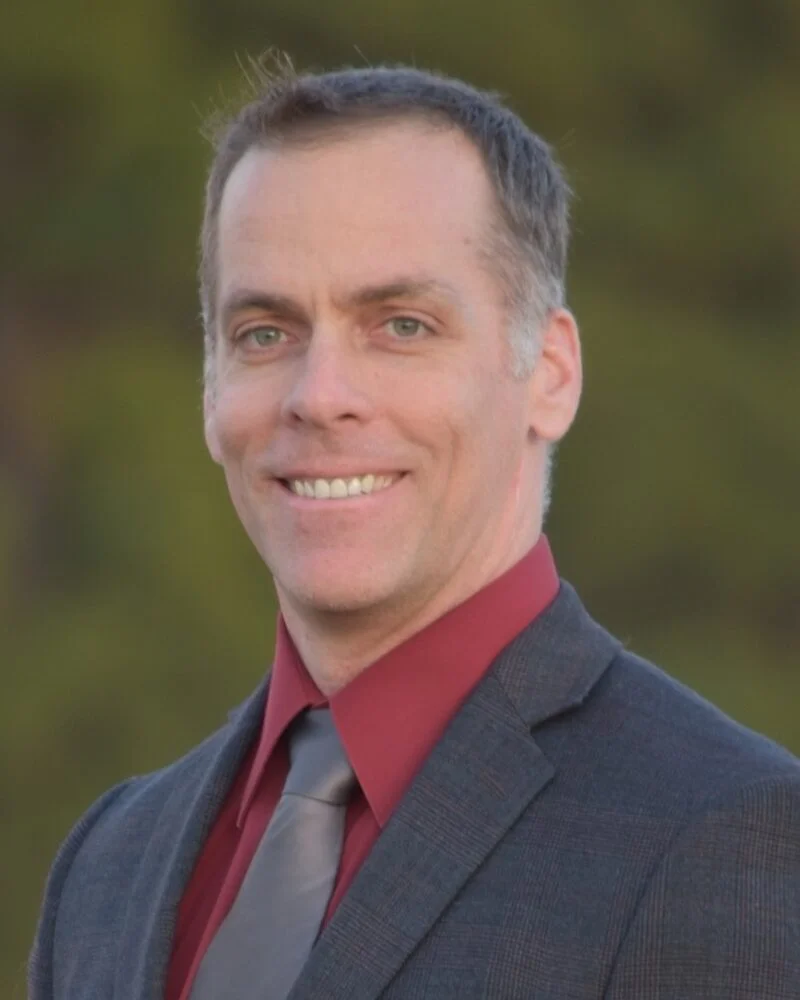
William Fullington
A Nelson Nash Institute Authorized Practitioner who founded Reformed Finance to provide the clear, principled education he had difficulty finding when first studying the concept.
I found Reformed Finance while looking for a better way to provide for and protect my family in the future. Will helped us understand the Infinite Banking Concept and see cash flow, savings, and stewardship in a new way. His guidance made the process manageable and enjoyable — and Reformed Finance has always been available when questions come up.
OUR PROCESS
From Understanding to Application
Clarity Call
Start with a 30-minute conversation—your situation, your goals, and whether the Infinite Banking Concept® is worth pursuing. No obligation, no pressure.
Education
You learn how the banking function works, how controlling it changes the flow of capital, and what disciplined implementation requires.
Application
Once you understand the process, we design a system built around properly structured whole life insurance, then guide you through underwriting and issuance.
Implementation
Your control increases with use, reducing dependency on outside institutions. Ongoing coaching helps you keep applying the Infinite Banking Concept®.
CONTINUE LEARNING
Understand the Banking Function More Clearly
Receive one or two concise emails each month on the Infinite Banking Concept, capital, cash flow, policy use, and biblical stewardship.
See What Greater Financial Control Could Look Like
Explore how the banking function operates in your household, business, or church—and whether the Infinite Banking Concept could help you retain more control of capital and cash flow.